Posts

How to manage and reduce stress
Image
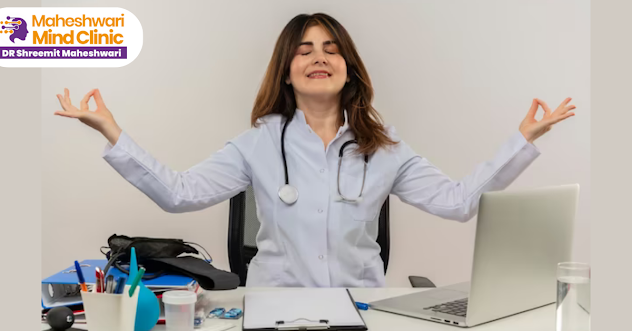
In the hustle and bustle of modern life, stress has become an almost ubiquitous companion. While it's normal to experience stress from time to time, chronic stress can take a toll on both our physical and mental well-being. In Indore, where the pace of life can be fast, understanding how to manage and reduce stress is crucial.  1. Mindful Breathing and Relaxation Techniques: Engaging in mindful breathing exercises and relaxation techniques can significantly alleviate stress. Techniques such as deep breathing, meditation, and progressive muscle relaxation help calm the mind and reduce the physiological response to stressors. 2. Physical Activity and Exercise: Regular physical activity is a powerful stress buster. Exercise releases endorphins, the body's natural mood lifters, and promotes a sense of well-being. Whether it's a brisk walk, a workout session, or a yoga class, incorporating physical activity into your routine can have profound effects on stress reduction. 3. Time...
Depression: The Dark Cloud that Lifts - Recognizing the Signs and Finding Hope in Treatment

Image
  In the bustling city, where life moves at its own pace, a silent struggle often unfolds behind closed doors. Depression, a pervasive mental health condition, can cast a dark cloud over individuals, affecting their daily lives and relationships. However, recognizing the signs can be the key to lifting this heavy burden. Signs of Depression Persistent Sadness: Feeling overwhelmingly sad or experiencing a lingering sense of emptiness. Changes in Sleep Patterns: Insomnia or excessive sleeping can be indicative of underlying depression. Loss of Interest: Disinterest in activities once enjoyed, leading to isolation. Fatigue: A constant feeling of tiredness, both physically and emotionally. Difficulty Concentrating: Foggy thinking and trouble focusing on tasks. Changes in Appetite: Significant weight loss or gain due to changes in eating habits. Irritability: Unexplained mood swings and heightened irritability. The Importance of Seeking Help Acknowledging the signs is the first st...

Psychedelic-Assisted Therapy: A New Hope for Treatment-Resistant Psychiatric Disorders

Image
  In the realm of mental health treatment, a groundbreaking approach is emerging, offering new hope for those grappling with treatment-resistant psychiatric disorders. Psychedelic-assisted therapy, once relegated to the fringes, is now gaining recognition for its potential to transform the landscape of mental health care. Unlocking the Mind with Psychedelic-Assisted Therapy: Efficacy in Treatment-Resistant Cases: Psychedelic-assisted therapy has shown remarkable efficacy, particularly in cases where traditional treatments have proven ineffective. Patients with conditions like treatment-resistant depression, PTSD, and anxiety disorders have reported significant improvements after undergoing psychedelic-assisted therapy sessions. Breaking Down Mental Barriers: Unlike conventional treatments, psychedelic-assisted therapy works by altering perception and consciousness, allowing patients to explore the root causes of their mental health challenges. This unique approach facilitates a dee...

The Impact of Diet on Anxiety Disorder

Image
In today's fast-paced world, anxiety disorders have become increasingly common, affecting millions of individuals worldwide. The struggle to manage anxiety often leads people to explore various treatment options, including therapy and medication. However, one aspect that is often overlooked in anxiety disorder treatment is the role of diet. In this article, we will discuss the significant impact of diet on anxiety disorders and how it can contribute to effective treatment.  The Link Between Diet and Anxiety Research has shown a clear connection between diet and mental health, including anxiety disorders. Here are some key points to consider: Nutrient Intake: A balanced diet that includes essential nutrients, such as omega-3 fatty acids, B vitamins, and magnesium, can play a crucial role in managing anxiety. These nutrients are known to support brain health and reduce the risk of anxiety disorders. Gut-Brain Connection: The gut and brain are intricately connected, and an imbalance ...

Stress: What it is and how to manage it

Image
Stress is a natural and normal response to challenges. It can be caused by a variety of factors, such as work, school, relationships, and financial problems. Stress can be both positive and negative. Positive stress, such as the stress of preparing for a big presentation at work, can motivate us to perform at our best. However, chronic or excessive stress can have a negative impact on our physical and mental health. Symptoms of stress The symptoms of stress can vary from person to person, but some common symptoms include: Physical symptoms: Headache, muscle tension, stomachache, fatigue, changes in appetite or sleep, and difficulty concentrating. Emotional symptoms: Anxiety, irritability, sadness, and depression. Behavioral symptoms: Overeating or undereating, substance abuse, social withdrawal, and changes in sleep habits. Long-term effects of stress Chronic stress can have a number of negative long-term effects on our health, including: High blood pressure Heart disease Stroke Dia...

The Role of Stress in Migraine Frequency: Strategies for Stress Reduction

Image
  Introduction                Migraines are more than just headaches; they're complex neurological events that can disrupt daily life. One key factor that often triggers and exacerbates migraines is stress. In this article, we'll delve into the significant role that stress plays in increasing migraine frequency and explore effective strategies to reduce stress and manage migraines better. The Stress-Migraine Connection Stress is a common trigger for migraines, as it activates the body's 'fight or flight' response, leading to muscle tension, changes in blood flow, and the release of certain chemicals that can trigger migraine attacks. Chronic stress can contribute to more frequent and severe migraines, underscoring the importance of stress reduction in effective migraine management. For those who searching for best migraine treatment in Indore , consulting with migraine specialist is a crucial step towards...

Understanding the Role of Psychiatrists: Supporting Mental Well-being

Image
  Mental health has emerged as a critical component of total wellbeing in the fast-paced, stressful world of today. Dedicated psychiatrists are available who are essential in the diagnosis, care, and support of those with mental health issues. In this piece, we shall examine the significant contributions made by psychiatrists without endorsing any particular practitioners or specialists.   Psychiatrists are medical professionals with a focus on mental health. To comprehend the complexity of the human mind and the different mental health diseases that people may experience, they go through significant study and training. By attending to their patients' emotional, psychological, and behavioral well-being, psychiatrists offer holistic treatment. Psychiatrists in Indore provide a wide range of treatments to people of all ages. To identify mental health disorders and provide tailored treatment strategies, they carry out extensive examinations. Depending on the patient's need...